
Key Takeaways
- A true rental emergency threatens safety, health or the structure of the home, such as a gas odor, an active leak, a sewage backup, an electrical hazard or a failed cooling system in extreme heat, and it calls for immediate action instead of a routine work order.
- Clear definitions, simple instructions for residents, vetted vendors and a spending plan help owners respond quickly in a Northeast Florida climate that brings storms, humidity and heat.
- Responsibilities and timelines depend on the lease and on Florida and local law, so owners should verify current requirements and consult a qualified attorney about any legal question.
When a maintenance issue turns into an emergency, how quickly you respond can make a significant difference to your rental property, your residents and your finances.
A burst pipe, electrical hazard or failed air conditioning system during a Jacksonville heat wave can cause serious problems if the right steps are not taken immediately. Having a clear response plan in place helps owners act quickly and avoid unnecessary damage.
PMI Central Oregon understands the importance of having reliable maintenance systems and clear communication when unexpected problems arise. This guide explains what qualifies as an emergency maintenance request, how owners can prepare for urgent repairs and what to consider when managing costs and responsibilities.
Whether you own one rental or several, knowing how to handle emergencies can help protect your investment and provide a safer living environment for residents.
Book A Property Management Consultation
What Counts as an Emergency
The word is used loosely, which is why it is wise to define it narrowly.
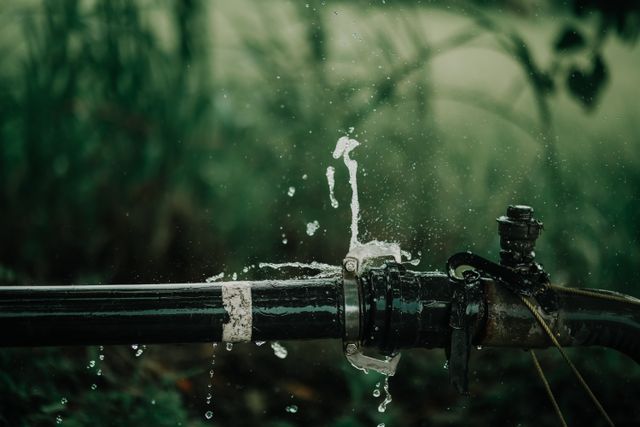
A situation usually qualifies when it creates immediate danger to people or can cause serious damage if it waits until normal business hours.
- A gas smell or suspected gas leak.
- Fire, smoke or electrical hazards such as sparking outlets or a burning odor.
- A burst pipe, active flooding or a major water leak.
- Sewage backing up into the living areas.
- Loss of air conditioning during extreme heat, especially with vulnerable residents.
- Loss of heat during an unusual cold snap.
- A door, lock or window that cannot secure the home.
- Storm, wind or tree damage that exposes the interior to weather.
- A carbon monoxide or smoke alarm warning that signals a real hazard.
In a life-threatening situation, residents should leave and call 911 or the utility provider first. A call to the property manager comes after safety is secured.
What Is Not an Emergency
A dripping faucet, a stuck window, a slow drain, a cosmetic defect or an appliance that is inconvenient but not dangerous is usually a routine request. Treating routine issues as routine keeps costs down and keeps urgent resources available for situations that truly need them. A clear list in the resident handbook reduces confusion and unnecessary after-hours calls.
Build a Process Residents Can Follow
When something goes wrong, people are stressed. A simple, written process works better than a complicated one.

Clear Reporting Instructions
- Give residents a single, easy way to report problems and a number for after-hours situations.
- List the situations that belong with 911 or the utility company first.
- Show residents where the water shutoff, electrical panel and gas shutoff are located.
- Explain what residents should and should not try to fix themselves.
- Encourage photos and a short description when it is safe to take them.
Spectrum Realty Services states on its website that residents can submit property maintenance requests 24/7 through an online portal. As with any company-stated service, ask for the details and the terms in writing.
Know Your Vendors Before You Need Them
A plumber, an electrician, a heating and cooling technician, a roofer and a water mitigation company cover most urgent calls. Confirm that each is licensed and insured as required, how after-hours calls are handled and what emergency rates apply. A relationship that exists before the emergency generally produces a faster response than a cold call at midnight.
Set a Spending Limit
Decide in advance how much may be spent on an emergency without waiting for the owner. Many owners set a written dollar limit and expect prompt notice of anything beyond it. Without that authority, the delay of a single phone call can allow water to spread through a ceiling.
Who Pays for What
Costs depend on the cause, the lease and the law. In general terms, owners are responsible for maintaining the property and its major systems in a safe and habitable condition, while residents may be responsible for damage they cause beyond normal wear.

The details vary, so avoid assumptions.
- Failure of an aging system is commonly the owner’s responsibility.
- Damage caused by misuse or neglect may be charged back, subject to the lease and the law.
- Insurance may cover certain events, so review the owner’s policy and any renters insurance requirement.
- Keep photos, invoices and written notes for every event.
Because charge-backs, deductions and habitability duties can have legal consequences, verify current Florida requirements and consult a qualified attorney before billing a resident for emergency costs.
Plan for the Cost, Not Just the Event
Emergency work is often more expensive than planned work because of the speed required. Owners who set money aside and maintain their systems tend to recover with less stress.
- Maintain a repair reserve so an unexpected bill does not force a hard decision.
- Review landlord insurance coverage and deductibles each year, including how storm-related losses are handled.
- Service cooling and heating systems before peak seasons.
- Replace aging water heaters, supply lines and roofing before they fail when possible.
- Track repair history to identify patterns and plan replacements.
Jacksonville Seasonal Risks
Heat and Humidity
Jacksonville summers put heavy demand on cooling systems, and a failure can become urgent quickly. Humidity also encourages moisture and mold problems, so address leaks and drainage issues promptly. Service air conditioning equipment before the hottest months and keep filters and drain lines clear.
Storms and Hurricane Season
Storm season can bring wind damage, roof leaks, downed trees, flooding and power outages, so do your best to prepare.
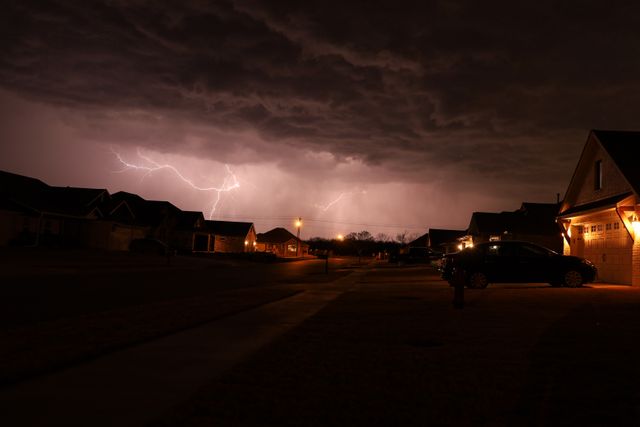
Check roofing, gutters and drainage, trim trees that threaten the structure, and make sure residents know how to report damage. Review insurance policies for the terms that apply to storm losses, and keep documentation that shows the property’s condition before an event.
Older Homes
Older properties may have aging wiring, galvanized or cast-iron plumbing and aging roofs. Regular inspections at move-in, move-out and renewal help owners identify issues early and plan repairs on their own schedule.
Documentation Matters
For each emergency, record when it was reported, what the problem was, who was contacted, what actions were taken, which vendors responded, what photos were taken and what the final cost was. A clear timeline helps with insurance claims and disputes. Store records by property and keep them accessible.
Common Mistakes
- Failing to define what an emergency is.
- Leaving residents unsure who to contact after hours.
- Relying on one vendor who may be unavailable.
- Waiting for approval while damage spreads.
- Skipping photos and invoices.
- Postponing preventive maintenance on cooling, plumbing and roofing.
- Charging residents without checking the lease agreement and current law.
Bottom Line
Emergency maintenance is an unavoidable part of owning rental property, but a well-organized response plan can limit damage, reduce stress and help protect residents. Define what qualifies as an emergency, provide clear reporting instructions, establish relationships with reliable vendors and set aside funds for unexpected repairs. Regular inspections and preventive maintenance can also help catch problems before they become urgent.
For owners who want help coordinating repairs, communicating with residents and overseeing the day-to-day responsibilities of a rental, professional property management can make a meaningful difference. PMI Central Oregon provides property management support designed to help owners stay informed, maintain their investments and handle the challenges that come with rental ownership.
Frequently Asked Questions
What qualifies as an emergency maintenance request for a rental property?
An emergency generally involves an immediate threat to resident safety, health or the property itself. Examples include gas leaks, electrical hazards, active flooding, sewage backups, major plumbing failures and storm damage that exposes the home to the elements. Issues that create no immediate danger or risk of serious damage can typically be handled as routine maintenance requests.
What should tenants do during a rental property emergency?
Residents should prioritize their safety and contact emergency services or the appropriate utility provider when necessary. For example, they should leave the property and call 911 or the gas company if they suspect a gas leak. Once everyone is safe, they should notify the property manager or landlord using the designated emergency reporting process.
Is a broken air conditioner considered an emergency in Jacksonville?
A failed air conditioning system can become an urgent issue during Jacksonville’s hot and humid summers, particularly when indoor temperatures create a health or safety concern. The appropriate response depends on the circumstances and applicable requirements. Owners should establish a clear process for reporting cooling problems and verify current Florida landlord-tenant obligations.
Who is responsible for paying for emergency rental repairs?
Responsibility generally depends on what caused the problem, the lease terms and applicable law. Owners are typically responsible for maintaining essential systems and addressing property-related failures, while residents may be responsible for damage caused by negligence or misuse. Document the incident, keep repair invoices and verify the legal requirements before charging a resident.
How can landlords prevent emergency maintenance problems?
Preventive maintenance can help identify issues before they become costly emergencies. Owners should schedule regular HVAC servicing, inspect plumbing and water heaters, maintain roofing and drainage systems, and address signs of moisture or water damage promptly. Keeping reliable contractors available and providing residents with clear instructions for reporting problems can also improve response times.
Should landlords have an emergency maintenance fund?
Yes. Setting aside money for unexpected repairs can help owners respond quickly without disrupting their regular finances. Emergency plumbing, electrical, HVAC and storm-related repairs can be expensive, particularly when after-hours service is needed. The appropriate reserve depends on the property’s age, condition, size and major systems, so owners should plan accordingly.